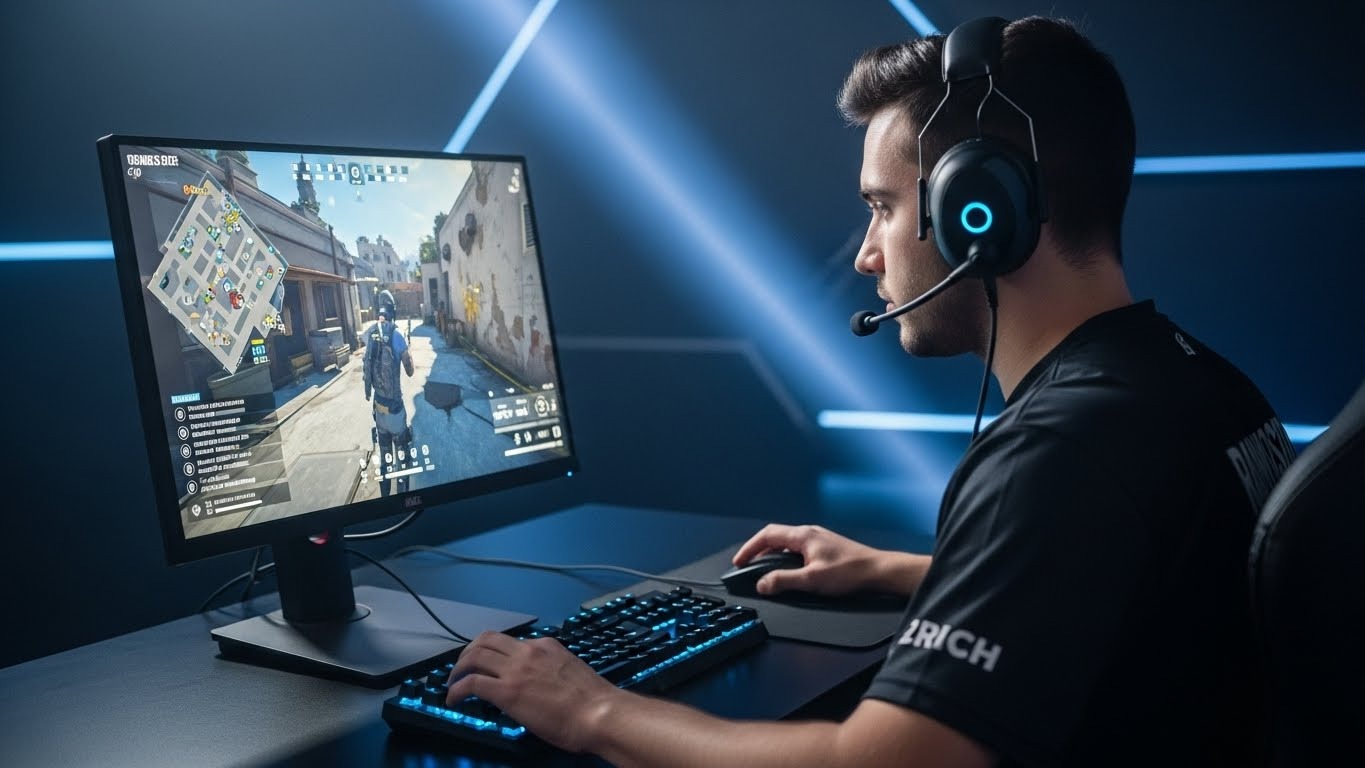
Many Rainbow Six Siege players believe aim is the main factor behind success. They spend hours on aim trainers and mechanical drills but see little improvement in ranked results. Meanwhile, other players with average mechanics consistently climb the ladder.
The difference lies in decision making. Rainbow Six Siege rewards planning, timing, and information control more than raw reflexes. Players who understand this improve faster and win more consistently.
This article explains why decision making matters more than aim and how players can develop smarter habits in competitive play.
Rainbow Six Siege Is a Tactical Shooter First
Unlike fast-paced shooters, Rainbow Six Siege is built around tactics. Each round unfolds slowly, with multiple phases that reward patience and awareness.
Players must manage drones, utility, sound cues, and positioning. A single decision can determine the outcome of an entire round.
Good aim helps, but poor decisions erase that advantage quickly.
Why Aim Alone Fails in Ranked Matches
Aim-focused players often chase kills instead of objectives. They peek unnecessary angles and take isolated fights. These habits lead to early deaths and lost map control.
Ranked matches punish reckless behavior. Opponents hold angles, use crossfires, and trade kills efficiently.
Players who rely only on aim struggle when opponents deny easy fights.
Decision Making Starts Before the Round Begins
Competitive players begin making decisions during the operator selection phase. They consider site choice, team composition, and enemy tendencies.
Choosing the right operators creates advantages before the action starts. Utility balance matters more than individual comfort picks.
This preparation sets the tone for the entire round.
Information Is the Most Valuable Resource
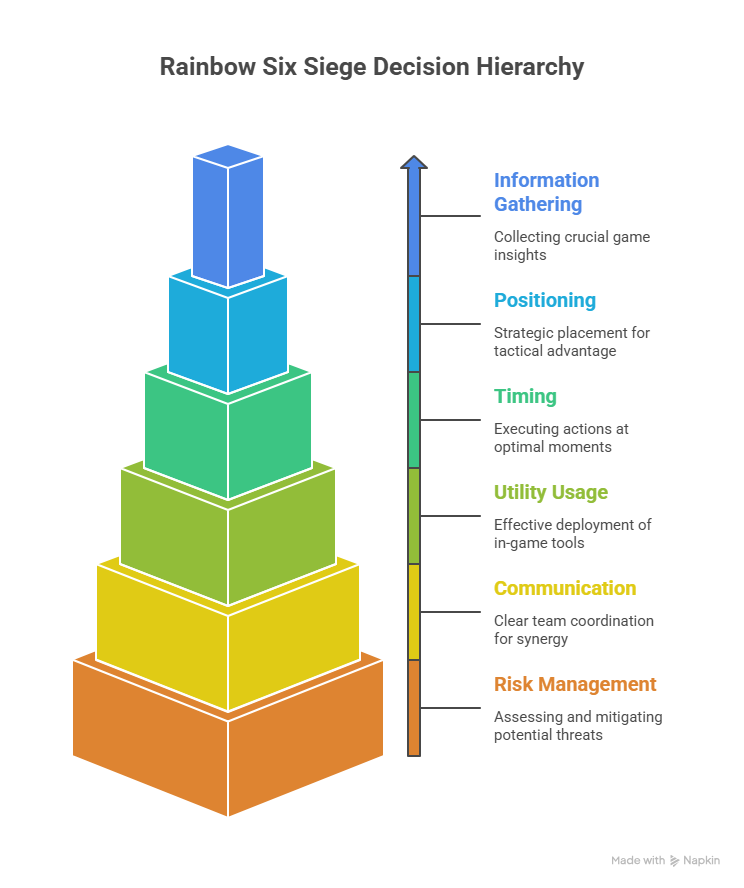
Information drives every good decision in Rainbow Six Siege. Drones, cameras, sound cues, and map control provide constant feedback.
Smart players protect their drones and use them late into the round. They avoid acting without confirmed information.
Acting blindly often leads to predictable mistakes.
Positioning Wins More Rounds Than Flicks
Strong positioning reduces the need for sharp aim. Competitive players hold angles that favor them and avoid exposing multiple sightlines.
They reposition after engagements to avoid trades. They understand vertical pressure and crossfire setups.
These choices increase survival and round impact.
Timing Separates Average and Strong Players
Knowing when to act matters more than how fast you react. Competitive players time pushes with utility usage and teammate positioning.
They avoid rushing alone. They wait for sound cues or gadget confirmation before committing.
Good timing turns average aim into effective pressure.
Utility Usage Reflects Decision Quality
Every gadget in Rainbow Six Siege exists for a reason. Competitive players track utility usage carefully.
They do not waste explosives early. They save tools for critical moments like site entry or plant denial.
Poor utility decisions weaken even strong mechanical players.
Understanding Risk Versus Reward
Strong decision making balances risk and reward. Competitive players assess whether a play is necessary or optional.
They avoid high-risk plays when holding an advantage. They take calculated risks only when required.
This discipline improves win consistency over time.
Learning From Deaths Instead of Ignoring Them
Many players skip death replays. Competitive players study them. They analyze why a death occurred and what decision led to it.
Was the angle predictable? Was the push unnecessary? Was information missing?
Each answer improves future decisions.
Reviewing Gameplay Builds Awareness
Match review reveals patterns that live play hides. Competitive players notice repeated mistakes only after watching replays.
They identify poor habits like overpeeking, late rotations, or inefficient drone usage.
This awareness leads to targeted improvement.
Decision Making Across Competitive FPS Games
Decision making principles apply across all competitive FPS titles. Players who succeed in one ecosystem often share similar habits.
They study opponents, track performance, and seek clarity in matchmaking systems. Understanding who you are playing against provides valuable context for decision making.
This is why players sometimes use tools like Faceit Account Finder to better understand competitive profiles and match environments in other FPS communities. The concept of informed play remains consistent across games.
Managing Pressure in High-Stakes Rounds
Decision quality drops under pressure. Competitive players train themselves to remain calm in clutch situations.
They slow down instead of rushing. They rely on information rather than instinct.
This mental control often matters more than mechanical skill.
Team Decisions Matter More Than Individual Plays
Rainbow Six Siege is a team-based game. Solo plays rarely succeed against organized opponents.
Competitive teams coordinate pushes, utility usage, and trades. Individual aim shines when supported by team decisions.
Understanding your role within the team improves overall performance.
Communication Shapes Better Decisions
Clear communication improves decision making. Competitive players give concise callouts and timing updates.
They avoid emotional reactions during rounds. Information remains factual and actionable.
This clarity helps teammates make better choices.
Adapting to Opponent Behavior
Strong decision makers adapt quickly. They recognize opponent patterns and adjust strategies mid-match.
If a push fails once, they change timing or entry point. They do not repeat mistakes blindly.
Adaptation separates experienced players from predictable ones.
Avoiding Autopilot Gameplay
Autopilot leads to repeated errors. Competitive players stay mentally engaged throughout matches.
They actively think about positioning, utility, and objectives. They avoid playing rounds on instinct alone.
This focus keeps decision making sharp.
Measuring Improvement Beyond Rank
Rank does not always reflect decision quality. Competitive players track consistency, survival rate, and round impact.
They focus on controllable factors rather than short-term results.
This mindset supports steady improvement.
Common Decision-Making Mistakes
Many players overextend after getting a kill. Others ignore time pressure or fail to support teammates.
Competitive players identify and eliminate these habits.
Correcting small decisions produces large gains over time.
Applying Smarter Decisions as a Casual Player
Players do not need professional ambitions to improve decision making. Simple changes produce results.
Saving drones, playing safer positions, and reviewing one match per week can improve ranked performance.
Small habits compound quickly.
Why Decision Making Improves Longevity
Players who rely only on aim plateau early. Decision-focused players continue improving as competition rises.
Game updates, meta changes, and new operators reward adaptable thinkers.
Decision making keeps players relevant long-term.
The Relationship Between Experience and Judgment
Experience alone does not guarantee good decisions. Reflection turns experience into judgment.
Competitive players actively learn from each match.
This learning process sharpens instincts over time.
Building Confidence Through Better Choices
Good decisions build confidence naturally. Players trust their positioning, timing, and judgment.
Confidence reduces panic and improves execution.
This cycle reinforces improvement.
Final Thoughts on Playing Smarter in Rainbow Six Siege
Rainbow Six Siege rewards players who think before they act. Aim helps, but decisions define outcomes.
By focusing on information, positioning, timing, and reflection, players improve faster and more consistently.
Smart choices turn average mechanics into competitive strength.