Rainbow Six Siege is often described as a tactical shooter, but many players still approach it like a traditional FPS. They rely on reaction time and flick shots instead of understanding how engagements actually unfold inside a round. Winning more gunfights in Siege is less about mechanical dominance and more about controlling the situation before bullets are fired.
This guide focuses strictly on in game execution.
Control Angles Instead of Chasing Kills
In Siege, most fights are decided before the enemy appears on your screen.
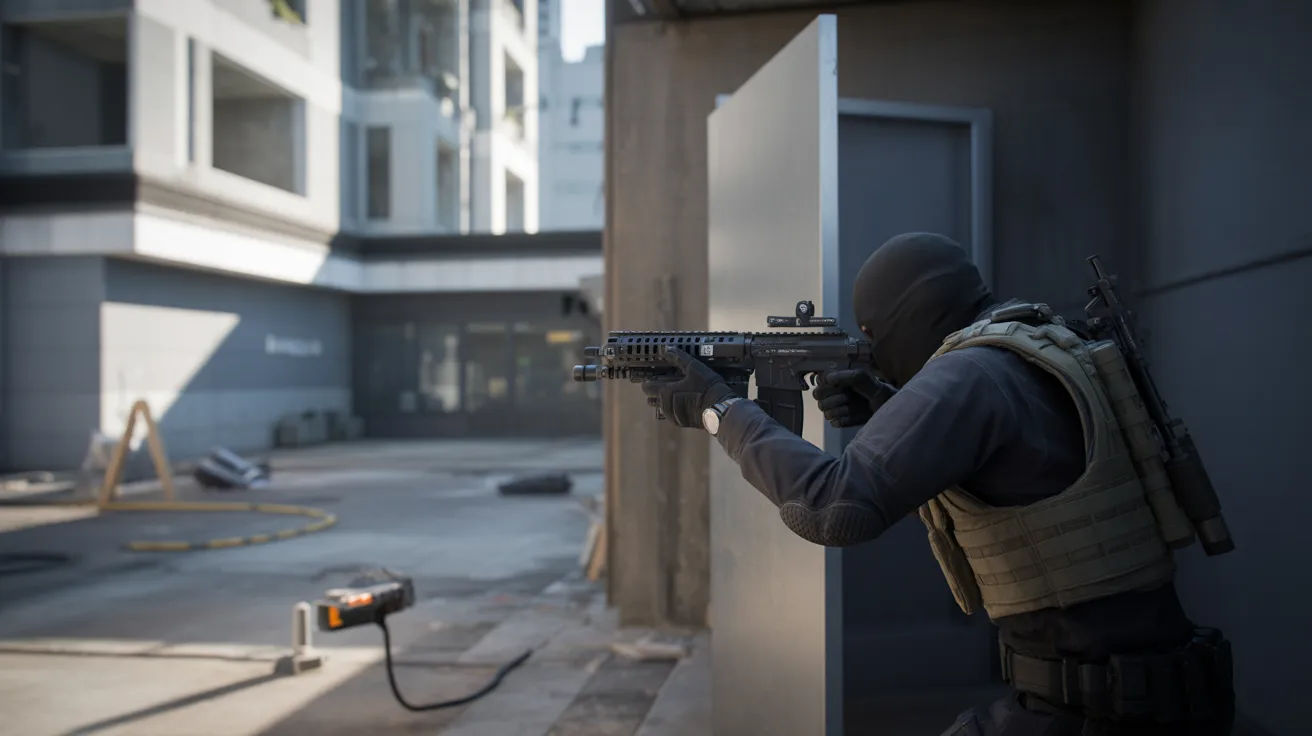
Instead of swinging wide into open space, position yourself where the opponent must enter your crosshair. Hold tight angles. Keep your exposure minimal. Avoid standing in doorframes or wide hallways where multiple sightlines can reach you.
The goal is to reduce variables.
When you control the angle, you control the fight.
Pre Aim Common Entry Points
Experienced players rarely react to enemies. They anticipate them.
Every map has predictable rotation paths and default breach spots. Pre aim these areas before moving forward. Keep your crosshair at head level as you move. Lower crosshair placement forces unnecessary adjustments during fights.
Micro positioning matters. Even a few pixels of adjustment can decide the outcome.
Use Sound as a Weapon
Sound in Siege is not background noise. It is information.
Footsteps above you indicate vertical pressure. A barricade breaking reveals direction. Reload sounds expose vulnerability. Instead of sprinting constantly, move deliberately and listen.
Many rounds are won because one player heard what others ignored.
Headsets with clear directional audio create a measurable advantage.
Clear Utility Before Pushing
Rushing through traps and gadgets often leads to avoidable deaths.
Before entering a room, consider what defensive tools might be active. Check for Kapkan traps on doorframes. Scan for frost mats near windows. Destroy barbed wire to prevent slow movement.
Clearing utility forces defenders to reposition and reduces surprise factors.
Structured entry creates cleaner engagements.
Manage Risk in 1vX Situations
When you are the last player alive, survival depends on isolation.
Do not rush into multiple defenders. Reposition constantly. Force individual fights rather than team crossfires. Use sound cues to identify separated opponents.
Time is an ally in clutch scenarios. Defenders may panic. Attackers may overextend.
Patience increases probability.
Understand Operator Tool Impact
Certain operators reshape fights entirely.
Smoke denies last second pushes. Mira creates lethal sightlines. Thatcher removes electronic barriers. Understanding how these tools affect engagement timing helps you choose safer fights.
Gunfights are rarely neutral. Gadgets tilt the balance before shots are exchanged.
Within the broader ecosystem, account value sometimes becomes part of player discussions, particularly when access to specific operators or cosmetic inventories is considered. Conversations around digital marketplaces may include topics like R6 accounts, especially in communities tracking competitive environments. Platforms such as Eldorado operate within this wider space, though players should always respect official policies and maintain account security.
Still, in match performance depends on execution, not ownership.
Play the Round, Not the Highlight
Siege rewards discipline more than flashy plays.
Do not peek unnecessarily after securing an advantage. If you have man advantage, hold crossfires. If the diffuser is planted, play time instead of chasing kills.
Smart decisions win rounds.
Mechanical skill closes them.
Final Thoughts on In Game Execution
Winning more gunfights in Rainbow Six Siege is about preparation, angle control and information management. When you reduce uncertainty and control positioning, aim becomes a smaller factor.
Siege is not chaotic when understood correctly. It is structured. The player who manages space, sound and timing most effectively usually walks away from the fight.