
Vision plays a vital role in nearly every aspect of daily life. From reading and driving to working on digital devices and enjoying outdoor activities, clear eyesight supports independence, productivity, and overall well-being. Yet many people underestimate the importance of regular eye care, often seeking professional help only when symptoms become disruptive.
Visiting an eye clinic in Calgary is not just about correcting vision problems—it is about protecting long-term eye health, detecting conditions early, and maintaining quality of life. Whether managing age-related changes, monitoring chronic conditions, or addressing sudden vision concerns, consulting an experienced eye specialist in Calgary ensures access to advanced diagnostic tools and expert guidance tailored to individual needs.
This article explores the importance of comprehensive eye care, common conditions treated in clinical settings, signs that indicate it’s time to see a specialist, and how proactive eye health management benefits people at every stage of life.
Why Comprehensive Eye Care Matters
Eyes are complex organs that require specialized attention. Many serious eye conditions develop gradually and without obvious early symptoms. Regular assessments help identify issues before they progress into irreversible vision loss.
Key Benefits of Routine Eye Care
• Early detection of eye diseases
• Prevention of vision deterioration
• Improved management of chronic conditions
• Enhanced quality of life
• Better long-term outcomes
Routine eye examinations are essential even for individuals with no noticeable vision problems.
Common Conditions Treated at an Eye Clinic
An eye clinic provides specialized assessment and treatment for a wide range of ocular conditions.
Refractive Errors
Refractive errors affect how light focuses on the retina, leading to blurred vision. Common types include:
• Nearsightedness (myopia)
• Farsightedness (hyperopia)
• Astigmatism
• Presbyopia (age-related near vision loss)
While glasses or contact lenses may correct symptoms, comprehensive exams ensure no underlying issues are present.
Dry Eye Syndrome
Dry eye is increasingly common, especially with extended screen use and environmental factors. Symptoms may include:
• Burning or stinging sensations
• Redness
• Blurred vision
• Sensitivity to light
An eye specialist can identify the cause and recommend targeted treatments to restore comfort and eye surface health.
Eye Infections and Inflammation
Conditions such as conjunctivitis, uveitis, and blepharitis require professional diagnosis to prevent complications. Improper self-treatment can worsen symptoms or delay recovery.
Glaucoma
Often referred to as the “silent thief of sight,” glaucoma typically develops without pain or early symptoms. Regular eye examinations are critical for early detection and long-term management.
Age-Related Eye Conditions
As people age, they face a higher risk of conditions such as:
• Macular degeneration
• Cataracts
• Diabetic eye disease
Early diagnosis significantly improves treatment success and helps preserve vision.
When Should You See an Eye Specialist?
Many people are unsure when to seek specialized eye care. Certain signs should never be ignored.
Warning Signs That Require Immediate Attention
• Sudden vision loss or blurring
• Eye pain or pressure
• Flashes of light or floaters
• Persistent redness or swelling
• Difficulty seeing at night
• Double vision
These symptoms may indicate serious underlying conditions requiring urgent evaluation.
Preventive Eye Care Across Life Stages
Eye care needs change over time.
Children and Adolescents
• Early detection of vision issues supports learning and development
• Vision problems can affect academic performance
• Eye exams help identify alignment or focusing disorders
Adults
• Screen-related eye strain is common
• Work-related visual demands increase the risk of fatigue
• Regular exams detect early signs of disease
Seniors
• Higher risk of age-related eye conditions
• Ongoing monitoring helps preserve independence
• Early treatment improves quality of life
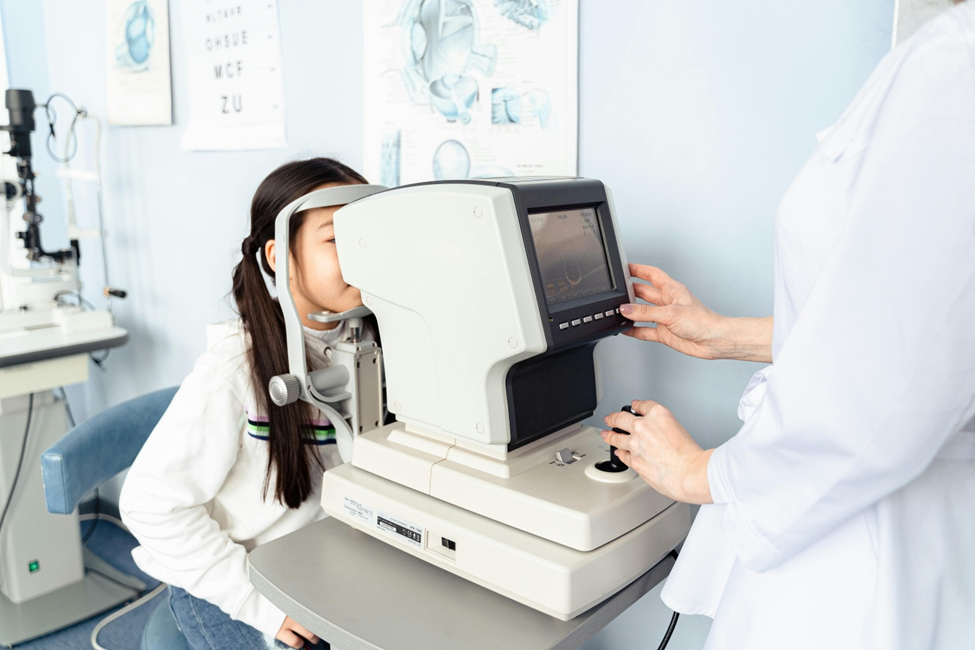
What Happens During a Comprehensive Eye Examination
A full eye examination involves more than reading letters on a chart. It includes multiple assessments designed to evaluate eye health and function.
Components of a Comprehensive Exam
• Visual acuity testing
• Refraction assessment
• Eye pressure measurement
• Retinal and optic nerve evaluation
• Eye movement and coordination tests
Advanced imaging technologies allow specialists to detect subtle changes that may not be visible through standard examination methods.
The Role of Technology in Modern Eye Care
Modern eye clinics use advanced diagnostic tools to improve accuracy and treatment planning.
Advanced Diagnostic Techniques
• Optical coherence tomography (OCT)
• Digital retinal imaging
• Visual field testing
• Corneal mapping
These tools enable early detection of diseases and personalized treatment strategies.
The Importance of Early Detection
Many serious eye conditions progress silently. Early detection often means:
• Less invasive treatment
• Slower disease progression
• Better preservation of vision
• Reduced long-term costs
Proactive care is always more effective than reactive treatment.
Lifestyle Factors That Impact Eye Health
Daily habits significantly affect eye health.
Screen Use and Digital Eye Strain
Extended screen time can cause:
• Dry eyes
• Headaches
• Blurred vision
• Eye fatigue
Regular breaks, proper lighting, and eye exams help mitigate these effects.
Nutrition and Eye Health
A balanced diet supports eye function. Nutrients that promote eye health include:
• Omega-3 fatty acids
• Vitamin A
• Vitamin C
• Zinc
• Lutein and zeaxanthin
Eye specialists often provide dietary guidance as part of holistic eye care.
Protective Eyewear
Protecting eyes from UV exposure and physical hazards reduces the risk of injury and long-term damage.
Why Specialized Eye Care Matters
While basic vision correction is important, comprehensive eye care goes beyond prescriptions. Consulting an eye specialist in Calgary ensures access to medical expertise, diagnostic precision, and treatment options for complex eye conditions.
Similarly, visiting a well-equipped eye clinic in Calgary allows patients to receive coordinated care under one roof, improving efficiency and outcomes.
Long-Term Benefits of Regular Eye Care
Consistent eye care provides lasting benefits:
• Preserved vision
• Reduced risk of vision loss
• Improved daily functioning
• Enhanced independence with age
• Peace of mind
Eye health is an investment in lifelong well-being.
Conclusion
Vision is too important to leave to chance. Comprehensive eye care plays a critical role in maintaining quality of life, detecting disease early, and ensuring optimal visual performance at every age. Regular visits to an eye clinic in Calgary and timely consultations with an experienced eye specialist provide the foundation for healthy vision today and in the future.
By prioritizing preventive care, understanding warning signs, and seeking expert evaluation when needed, individuals can protect one of their most valuable senses—sight—for years to come.
Read Also: Mental Health CRM Solution