
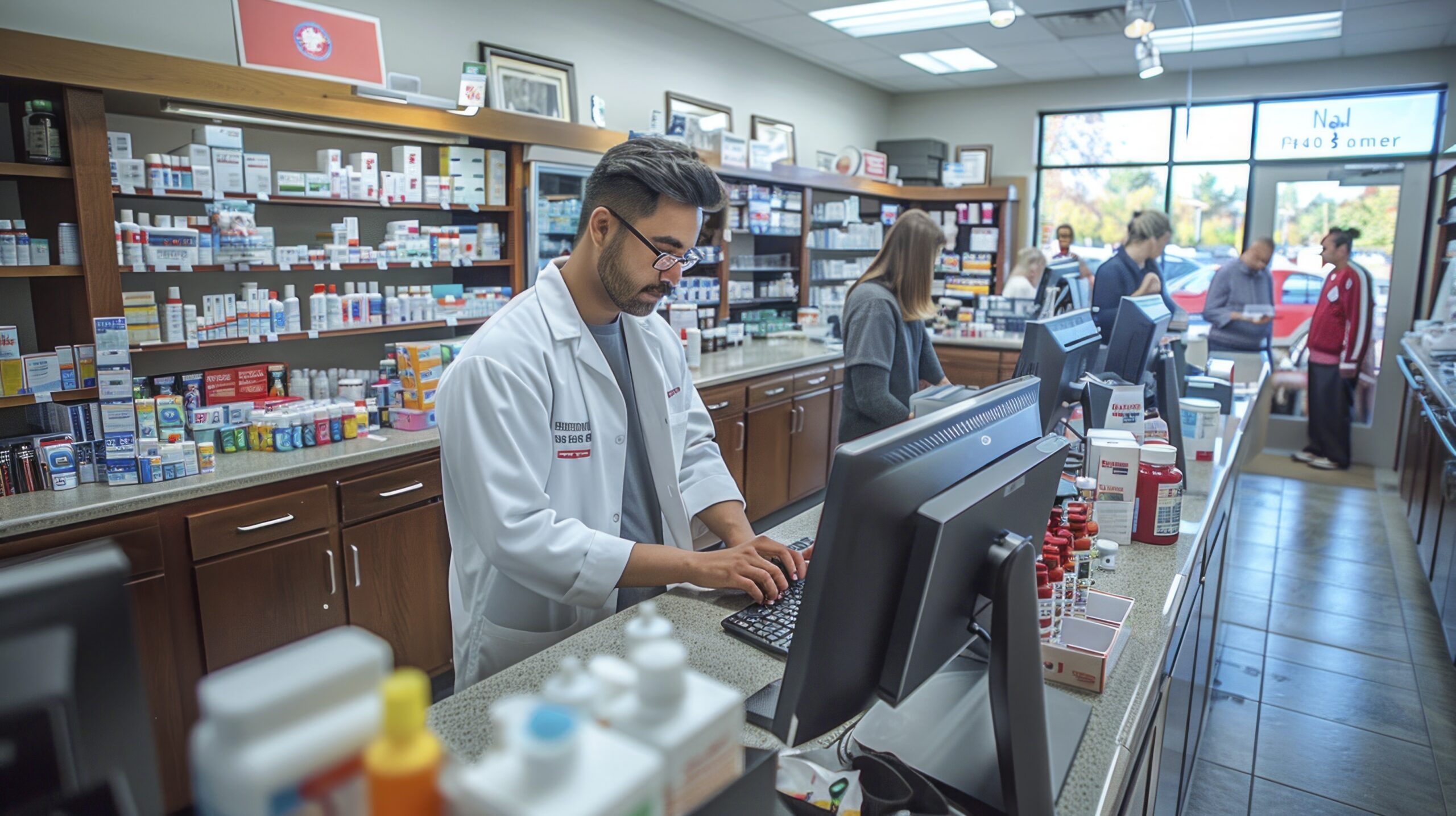
There is a particular frustration that comes from handing your prescription to a pharmacist, waiting a few minutes, and then being told a number that makes your stomach drop. For millions of Americans, that moment is not occasional — it is routine. Drug prices in the United States are notoriously unpredictable, and the same medication can cost dramatically different amounts depending on the pharmacy, the day, and whether or not you happen to know where to look. This is precisely the gap that a platform called GoodRx was built to close. Launched in 2011, it has since helped patients across the country save a combined estimated $65 billion on prescription costs. Understanding how it works — and just as importantly, where it falls short — can make a meaningful difference in what you actually pay at the counter.
The Mechanics Behind the Savings
To understand how this platform delivers its discounts, you need a brief look at the hidden architecture of prescription drug pricing. Sitting between drug manufacturers, pharmacies, and insurance companies is a category of business called pharmacy benefit managers, or PBMs. These companies negotiate pricing agreements across the entire supply chain, creating contracted discount rates — prices lower than the retail sticker price that pharmacies agree to honor as part of their PBM network contracts.
The platform operates by partnering with multiple PBMs simultaneously, aggregating all of their contracted price points for each drug at each pharmacy, and then displaying the lowest available price to the user. When you search for a medication, you are not seeing a made-up discount. You are seeing a real, contractually binding rate that the pharmacy is obligated to honor. The platform earns a small fee — typically in the range of $8 to $15 per prescription — from the PBM on each completed transaction, meaning the service costs the consumer nothing directly.
More recently, the company has also moved toward direct contracting arrangements with major pharmacy chains, building pricing agreements that bypass PBMs entirely for certain drugs. This hybrid approach has allowed it to reduce prices further at specific pharmacies, in some cases bringing average costs down by 40 percent or more compared to previous contracted rates.
How the Coupon System Actually Works
Using the service in practice is considerably simpler than the infrastructure behind it. You visit the website or open the mobile app, type in the name of your medication along with your dosage and quantity, and enter your zip code. Within seconds, a list of nearby pharmacies appears, each showing the price you would pay using the platform’s discount. The differences between pharmacies can be striking — the same 30-day supply of a common medication might be $75 at one location and $18 at another two miles away.
Once you find the best price, you generate a coupon — either printed or displayed digitally on your phone — and present it to the pharmacist when picking up your prescription. The coupon contains a BIN number, a PCN number, and a group number. The pharmacist enters these details into their system, which routes the transaction through the appropriate PBM network and applies the discounted price automatically. No enrollment is required to use the basic service.
One important nuance is that prices are not always perfectly static. Because they are negotiated through PBM contracts that can be repriced, the amount shown online may occasionally differ slightly from what you are charged at the counter. This is not common, but it is worth noting — particularly for expensive medications where even a small percentage difference represents a meaningful dollar amount.
GoodRx vs. Your Insurance
This is where many people get confused, and it is important to be clear: you cannot use a discount coupon and your insurance at the same time. When you use a coupon code at the pharmacy, the transaction is processed as a cash payment. Your insurance company is not billed, no claim is filed, and the amount you pay does not count toward your deductible or out-of-pocket maximum.
This creates a genuine calculation that you need to run for each prescription. If you have a high deductible plan and have not yet met that deductible, the discounted cash price might be substantially lower than what your insurance charges. On the other hand, if you are close to meeting your deductible, using insurance might make more sense in the long run even if the upfront cost is higher, because every dollar spent through insurance counts toward reducing your future costs.
There is also the question of Medicare. People enrolled in Medicare Part D cannot use standard discount coupons as a substitute for their Part D benefit. However, some newer partnership arrangements are beginning to allow discount pricing to be automatically compared against Part D prices at the point of sale, with the lower amount applied and counted toward the patient’s deductible.
GoodRx Gold and the Membership Tier
Beyond the free service, there is a paid subscription option called GoodRx Gold, which offers deeper discounts for a flat monthly fee. Individual plans cost around $9.99 per month, while family plans run approximately $19.99. Under the Gold tier, over one thousand medications are priced at under $10 per fill, and average savings across all covered medications reach around 88 percent off retail prices. Gold membership also unlocks discounted telehealth visits, bringing the cost of an online consultation with a licensed provider down to around $19, compared to $49 for non-members. For someone managing chronic conditions who fills prescriptions monthly and occasionally needs a remote consultation, the membership fee can pay for itself within a single month.
What the Platform Does Not Cover
The service works exceptionally well for generic medications, which represent the vast majority of prescriptions filled in the United States. For brand-name drugs, particularly newer ones, the discounts can still be meaningful, but they are less consistently dramatic. Some recently launched brand-name medications may have manufacturer coupon programs that deliver deeper savings than any third-party discount service can match.
Controlled substances occupy a separate category. While pharmacies are generally contractually required to accept discount coupons for most medications, accepting them for controlled substances is left to the discretion of the individual pharmacist — meaning Schedule II and III medications may or may not be honored depending on the pharmacy’s internal policies.
It is also worth acknowledging a structural reality: the discounts that make the service valuable exist in part because retail drug prices in the United States are inflated to an unusual degree. This platform is, in a real sense, a workaround for a broken pricing system rather than a fix to it. This does not diminish its practical value for the consumer standing at the pharmacy counter today, but it does place the service in honest context.
Read Also: Benefits of EHR Software in Improving Patient Outcomes
Is GoodRx Right for You?
The honest answer depends on your specific situation, but for a large proportion of Americans it is a tool worth having. If you are uninsured, it is close to indispensable. If you carry a high deductible plan, checking the discounted price before assuming your insurance is cheaper is a practical habit that can save you real money. If your medications are fully covered with a low fixed copay, the free tier may add little value — though it costs nothing to check.
Prescription drug costs in the United States will likely remain complicated for the foreseeable future. Regulatory pressure on pharmacy benefit managers is building, drug pricing legislation continues to evolve, and the role of platforms that help consumers navigate this system is being actively debated. What remains constant is the immediate reality that people need their medications and prices vary widely. In that context, GoodRx functions as a practical transparency tool — one that pulls back the curtain on a notoriously opaque system and gives ordinary patients the information they need to make smarter decisions at the pharmacy counter.