Rainbow Six Siege is not a game where progress comes from playtime alone. Many players spend hundreds of hours without seeing real improvement. Others climb ranks steadily, make smarter decisions, and perform consistently under pressure. The difference is rarely mechanical skill alone. It comes down to mindset, preparation, and how players learn from their matches.
Competitive Rainbow Six Siege players approach the game differently. They treat each match as data, not just entertainment. Every round, operator choice, and death provides information. Over time, this structured approach creates faster improvement and better long-term results.
This article explains how competitive players improve faster, what habits set them apart, and how anyone can apply the same principles.
Understanding the Competitive Mindset in Rainbow Six Siege
Competitive players view Rainbow Six Siege as a tactical system rather than a reaction game. They focus on planning, execution, and adaptation. Winning a gunfight matters, but understanding why the fight happened matters more.
Casual players often rely on instinct. They repeat strategies that worked once and blame teammates when rounds fail. Competitive players take responsibility for outcomes. They analyze positioning, utility usage, and timing.
This mindset shift alone accelerates improvement. Instead of guessing, players make informed adjustments.
Why Ranked Play Exposes Weaknesses Faster
Ranked matches place players in structured environments. Maps, operators, and objectives follow predictable patterns. This consistency allows players to measure performance accurately.
In casual modes, mistakes are hidden by randomness. In ranked play, poor positioning or wasted utility is punished quickly. Competitive players welcome this pressure because it reveals weaknesses.
Each ranked loss becomes a learning opportunity rather than a setback. Over time, patterns emerge that guide improvement.
Operator Selection Is a Strategic Decision
Competitive players do not choose operators based on comfort alone. They select operators based on team composition, site requirements, and opponent tendencies.
They understand how operator synergy affects map control. A well-timed utility combo often wins rounds before gunfights begin. Casual players may overlook this layer entirely.
Learning when and why to pick certain operators increases round win percentage without improving aim.
Map Knowledge Goes Beyond Callouts
Knowing callouts is only the first step. Competitive players understand map flow, rotation timing, and common defensive setups. They anticipate enemy movement rather than reacting to it.
They know which walls matter, which angles are dangerous, and which positions provide information advantage. This knowledge reduces unnecessary deaths.
Map mastery develops through deliberate study, not repetition alone.
Utility Usage Defines High-Level Play
Rainbow Six Siege rewards smart utility usage more than raw aim. Competitive players track enemy gadgets, drones, and defensive tools throughout the round.
They avoid wasting grenades or breaching charges early. Every piece of utility serves a purpose tied to the win condition.
Casual players often use gadgets reactively. Competitive players use them proactively to shape the round.
Communication Is Structured, Not Emotional
Effective communication is concise and factual. Competitive players give clear callouts, timing updates, and utility information. They avoid emotional reactions during rounds.
After the match, communication becomes reflective. Players discuss what failed and why. This process turns mistakes into lessons.
Good communication improves team performance even when individual skill levels differ.
Reviewing Matches Accelerates Improvement
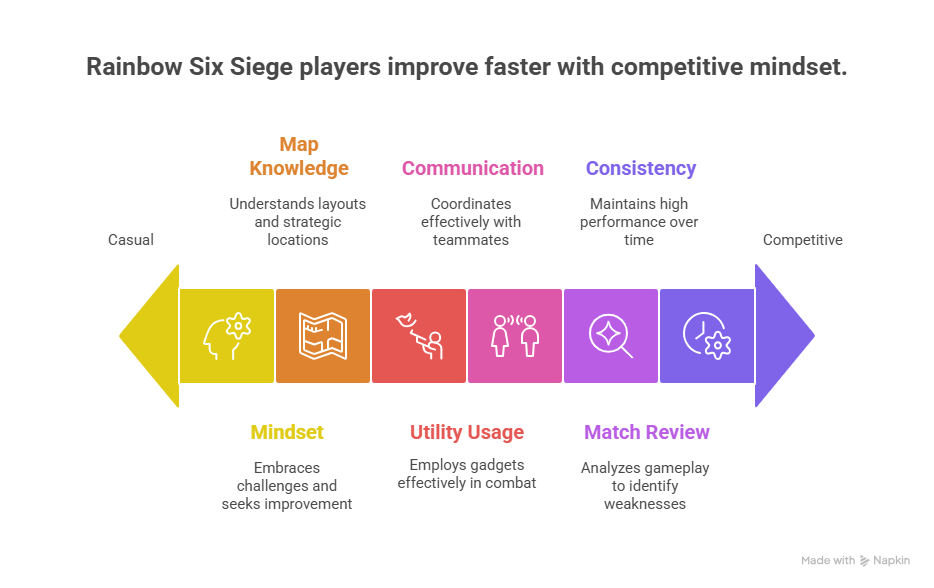
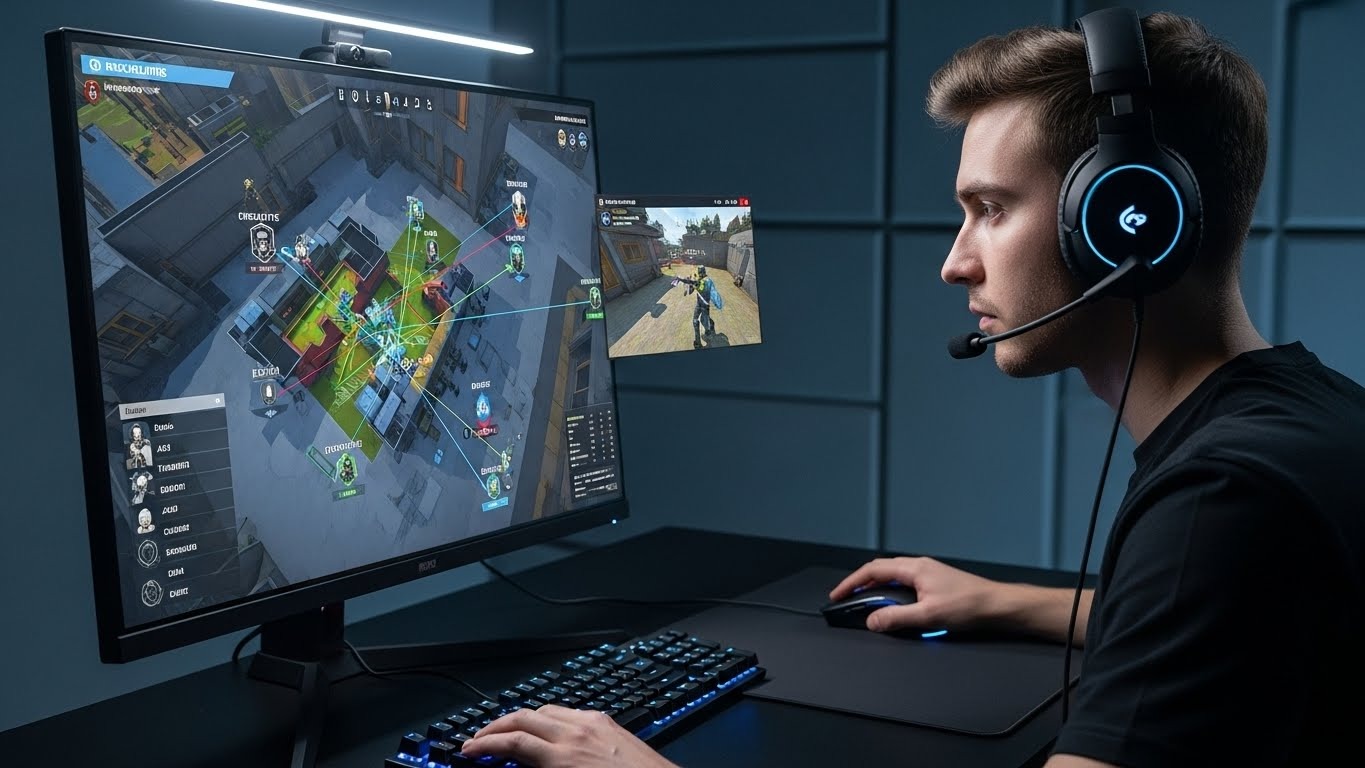
Competitive players review their gameplay regularly. They watch replays to understand deaths, missed opportunities, and positioning errors. This habit shortens the learning curve.
Instead of guessing what went wrong, they see it directly. Patterns become obvious after repeated reviews.
This approach is common across competitive FPS communities. Players often look beyond in-game stats to understand deeper performance trends.
Learning From Performance Data Across FPS Games
Many serious FPS players use external performance analysis platforms to better understand consistency, decision-making, and long-term progress. These tools highlight trends that are not obvious during live gameplay.
Platforms like Faceit Stats Analyser are often referenced as examples of how structured match data can help players identify weaknesses and refine playstyle. While designed for other competitive ecosystems, the analysis principles apply universally to FPS improvement.
The key is not the platform itself, but the habit of learning from data.
Decision-Making Matters More Than Aim
Mechanical skill helps, but decision-making wins matches. Competitive players choose fights carefully. They understand when to disengage, reposition, or wait for teammates.
They avoid unnecessary risks late in rounds. They play the objective instead of chasing kills.
This discipline increases win rate even when aim is average.
Understanding Opponent Behavior
Competitive players study common opponent habits. They recognize default setups, spawn peeks, and rotation patterns. This knowledge allows them to counter strategies effectively.
Instead of reacting blindly, they predict behavior. This reduces surprise and increases control.
Over time, reading opponents becomes second nature.
Consistency Is Built Through Routine
Improvement does not come from random sessions. Competitive players follow routines. They warm up properly, limit fatigue, and take breaks after poor performance.
They avoid grinding mindlessly. Quality practice matters more than quantity.
This approach protects mental focus and prevents burnout.
The Role of Mental Discipline
Mental discipline separates fast learners from stagnant players. Competitive players manage tilt and pressure. They stay focused after mistakes.
They understand that frustration clouds judgment. Maintaining composure leads to better decisions.
Mental control improves both performance and enjoyment of the game.
How Marketplace Choices Reflect Competitive Commitment
Competitive Rainbow Six Siege players often approach the marketplace differently. Their purchases reflect dedication rather than impulse. Skins and cosmetics become expressions of long-term engagement.
This behavior mirrors their gameplay mindset. Thoughtful decisions replace randomness.
The marketplace becomes part of a broader commitment to the game.
Learning From Better Players
Competitive players actively learn from stronger opponents. They watch professional matches, analyze strategies, and adapt techniques to ranked play.
They do not copy blindly. They adjust tactics to fit their skill level and team structure.
This learning habit accelerates growth beyond personal experience.
Measuring Progress the Right Way
Progress is not only about rank. Competitive players track consistency, decision quality, and impact on rounds. They focus on controllable factors.
Win streaks and losses become data points, not emotional triggers.
This perspective sustains motivation over time.
Common Mistakes That Slow Improvement
Many players focus only on aim training. Others ignore utility or communication. Some avoid reviewing losses entirely.
Competitive players avoid these traps. They balance mechanics, strategy, and analysis.
Improvement comes from addressing weaknesses honestly.
Applying Competitive Habits as a Casual Player
Not every player wants to compete professionally. Still, adopting competitive habits improves performance for anyone.
Simple changes like reviewing one match per week or focusing on utility usage can produce noticeable results.
Progress does not require perfection, only intention.
Why Improvement Is a Long-Term Process
Rainbow Six Siege rewards patience. Competitive players understand that progress is gradual. They commit to learning rather than chasing quick results.
This long-term view keeps improvement steady and sustainable.
Consistency beats intensity over time.
Final Thoughts on Improving in Rainbow Six Siege
Competitive Rainbow Six Siege players improve faster because they approach the game with structure, discipline, and reflection. They learn from data, adapt strategies, and control emotions.
Casual players can apply the same principles without changing how they enjoy the game. Improvement begins with awareness.
Treat each match as information, and progress follows naturally.