
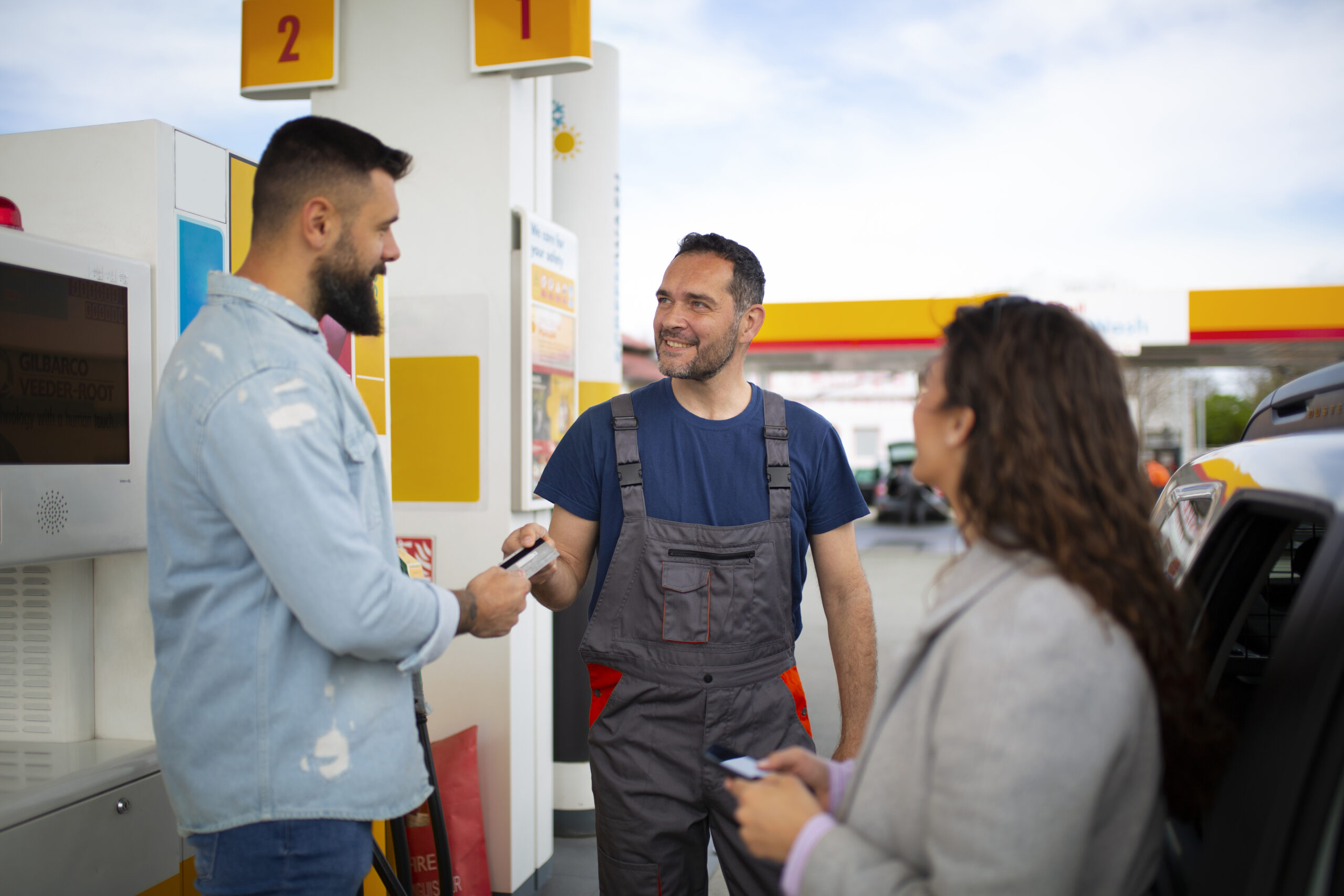
Buying, opening, or operating a gas station in British Columbia involves more than choosing a visible location and installing fuel pumps. A retail fuel business must meet municipal, provincial, safety, environmental, and commercial requirements before it can serve customers.
For investors considering a gas station business in British Columbia, licences, permits, tank condition, site history, zoning, and environmental compliance should be treated as core due-diligence items. A fuel station can be a strong business opportunity when it has reliable traffic, a convenience-store component, clean financial records, and compliant infrastructure. However, unresolved contamination, outdated tanks, missing permits, or unfavourable land-use restrictions can turn a promising acquisition into an expensive problem.
This guide explains the main licences, permits, and environmental requirements that prospective gas station owners should consider in British Columbia.
> **Important:** Requirements differ by municipality, site design, fuel type, building condition, and whether the business includes a convenience store, car wash, propane, diesel, EV charging, food service, or automotive repair. Always confirm requirements with the relevant municipality, fire authority, insurer, environmental consultant, legal adviser, and technical safety professional before closing a purchase or beginning construction.
Why Compliance Matters When Buying a Gas Station in BC
A gas station is not a typical retail business. It manages flammable products, underground or aboveground fuel-storage systems, delivery vehicles, customer traffic, drainage, equipment, electrical systems, and potentially contaminated soil.
Because of these risks, buyers must investigate compliance before they become the owner. A seller may have an established business with strong revenue, but the value of that business can change significantly if the buyer discovers that fuel tanks need replacement, underground piping is failing, an environmental issue exists, or the location does not have proper approvals for planned improvements.
Compliance affects several parts of the business:
– Ability to operate legally
– Insurance availability and pricing
– Financing approval
– Fuel supplier agreements
– Future resale value
– Cost of renovation or expansion
– Liability for contamination
– Ability to install new pumps or EV chargers
– Ability to add a car wash, quick-service restaurant, or propane service
– Reputation with customers and local authorities
A careful buyer does not wait until after closing to study these issues. Licences, inspections, permits, environmental records, and site infrastructure should be reviewed during due diligence.
Start With Zoning and Land Use
The first step is confirming that the location is legally permitted to operate as a gas station. Even if a property has historically operated as a fuel station, a buyer should confirm the current zoning designation, permitted uses, non-conforming-use status, redevelopment restrictions, and any site-specific conditions.
Municipal zoning rules can affect whether you can:
– Continue selling gasoline or diesel
– Add or replace fuel pumps
– Expand the convenience store
– Operate a car wash
– Add a repair bay
– Sell propane
– Install electric vehicle charging stations
– Add food service or seating
– Change operating hours
– Install illuminated signs
– Alter vehicle access points
– Redevelop the site in the future
A property may have grandfathered rights that allow an existing gas station operation but restrict major expansion or redevelopment. This can matter when a buyer plans to modernize the property or add new revenue streams.
Before signing a purchase agreement or long-term lease, contact the local planning department and ask for written confirmation of the site’s zoning and permitted uses. You should also review building permits, occupancy records, development permits, and any conditions attached to previous approvals.
If you are considering a new gas station development, zoning review should happen before land purchase. A site may appear ideal because of traffic volume and visibility, but unsuitable zoning, environmental constraints, limited access, or neighbourhood opposition can delay or prevent development.
Register the Business in British Columbia
A gas station buyer must choose a legal business structure before operating. The most common options are a sole proprietorship, partnership, or corporation.
A sole proprietorship is simple to establish, but it does not provide the same separation between the owner and the business as a corporation. A partnership may suit two or more owners, while a corporation may be better for a larger acquisition, long-term growth plan, investor participation, or liability management.
Most buyers should speak with an accountant and business lawyer before selecting a structure. The right choice depends on financing, taxes, ownership arrangements, succession planning, and liability considerations.
Once established, the business may need to complete several administrative tasks:
– Register the business name where required
– Incorporate if using a corporation
– Obtain a business number
– Set up GST and other tax accounts if applicable
– Open a dedicated business bank account
– Establish payroll accounts if hiring employees
– Set up bookkeeping and accounting systems
– Obtain commercial insurance
– Register for workers’ compensation coverage when required
– Complete local business-licence applications
Accurate financial and operational records are important from the first day. They can support tax reporting, fuel supplier requirements, lender reviews, insurance claims, equipment warranties, and eventual resale.
Municipal Business Licence Requirements
Many municipalities in British Columbia require local businesses to hold a business licence. The specific application process, renewal period, fee, inspection requirements, and supporting documents vary by city or district.
A municipal business licence may require information about:
– Business ownership
– Legal business name
– Business address
– Type of activity
– Number of employees
– Hours of operation
– Site plan
– Signage
– Parking
– Fire-safety compliance
– Zoning confirmation
– Building occupancy status
– Waste and recycling arrangements
If the station includes a convenience store, restaurant counter, car wash, auto repair shop, propane service, or other operations, additional local approvals may apply. For example, a small grocery-style convenience store may have different requirements from a property that prepares and sells hot food.
Buyers should not assume that an existing seller’s licence automatically transfers. Confirm whether a new application is required when business ownership changes, when a corporation is replaced, or when the proposed operation changes.
Building, Plumbing, Electrical, and Sign Permits
Renovating or expanding a gas station often requires permits beyond the basic business licence. These may include building permits, electrical permits, plumbing permits, fire approvals, mechanical permits, and sign permits.
Common projects that may require permits include:
– Replacing fuel dispensers
– Installing or replacing underground tanks
– Replacing fuel lines or piping
– Constructing a canopy
– Renovating the convenience store
– Adding a commercial kitchen
– Installing walk-in coolers
– Building car wash bays
– Upgrading drainage systems
– Improving washrooms
– Installing new exterior signage
– Expanding parking areas
– Installing EV charging equipment
– Adding accessibility features
– Modifying entrances or exits
Permits are not merely paperwork. They create a documented approval trail that can protect the buyer, lender, insurer, and future purchaser. Unpermitted work can cause delays, require costly remediation, affect insurance coverage, or create issues when the business is sold.
Before beginning any construction, ask the municipality which permits are required and whether drawings, engineering reports, environmental assessments, or professional inspections are necessary.
Fire Safety and Fuel-Dispensing Requirements
Gasoline, diesel, and other petroleum products create significant fire and safety risks. Fuel-dispensing stations must follow applicable fire-safety requirements related to tank design, fuel storage, dispensing, emergency shutoffs, site access, spill management, venting, separation distances, and fire protection.
The BC Fire Code includes requirements for fuel-dispensing stations and fuel-storage systems. These requirements address issues such as the location of tanks, separation from buildings and property lines, tank construction, piping, spill containment, and protection against overfilling.
A gas station buyer should review:
– Fire inspection reports
– Fire suppression equipment records
– Emergency shutoff locations
– Fuel dispenser condition
– Canopy and lighting safety
– Fuel-tank records
– Spill-response procedures
– Safety signage
– Staff training records
– Delivery procedures
– Vehicle access routes
– Separation distances from surrounding structures
Fuel delivery practices should also be part of the review. Tank overfills, damaged fittings, leaking hoses, poor drainage, and weak spill-response practices can create serious environmental and financial consequences.
A practical operating plan should include regular inspections, documented maintenance, staff training, emergency procedures, and a clear process for reporting leaks, spills, or equipment failures.
Fuel Storage Tanks and Environmental Compliance
Fuel-storage tanks are among the most important issues in a gas station acquisition. Whether tanks are underground or aboveground, their condition, age, design, monitoring systems, maintenance history, and closure records can affect the entire value of the property.
In British Columbia, BC Fire Code requirements apply to fuel-storage tanks, and the province recommends that tank owners follow Canadian Council of Ministers of the Environment codes of practice.
For underground storage tanks, buyers should examine:
– Tank age and manufacturer details
– Single-wall or double-wall construction
– Installation records
– Leak-detection systems
– Corrosion-protection measures
– Piping condition
– Tank-monitoring records
– Fuel-delivery records
– Repair history
– Tank integrity tests
– Spill and overfill protection
– Records of fuel losses or unexplained inventory variances
– Tank decommissioning history, where applicable
Underground tanks must be properly designed and installed. BC fire-code provisions include requirements related to double-walled construction, tank placement, protective ground cover, separation from buildings and property boundaries, and piping arrangements.
Even a profitable gas station can become a high-risk purchase if tank records are incomplete or there is evidence of leakage. Do not rely only on the seller’s verbal assurances. Obtain documents, engage qualified professionals, and make environmental review a condition of your purchase.
Environmental Site Assessments
A Phase I Environmental Site Assessment is commonly recommended when buying a gas station property or business with land. It is designed to identify potential environmental concerns through record reviews, site inspection, interviews, historical information, and analysis of nearby land uses.
A Phase I assessment may identify risks such as:
– Current or former fuel tanks
– Historical spills
– Leaking underground storage systems
– Fuel-pump replacement records
– Previous environmental investigations
– Adjacent industrial uses
– Waste-storage issues
– Soil or groundwater concerns
– Incomplete decommissioning records
– Past remediation activity
If the Phase I assessment identifies potential contamination, the next step may be a Phase II Environmental Site Assessment. A Phase II assessment typically involves collecting soil, groundwater, or vapour samples to evaluate whether contamination is present and determine the potential scale of the problem.
For a buyer, environmental due diligence should be completed before closing. If contamination is found after the acquisition, the new owner may face significant investigation, remediation, legal, financing, and resale challenges.
A purchase agreement should be written carefully. It may include conditions related to environmental testing, seller representations, document access, remediation responsibilities, holdbacks, indemnities, or the right to withdraw if findings are unacceptable.
Stormwater, Drainage, and Spill Control
Gas station sites handle vehicle traffic, fuel delivery, rainwater runoff, oil residue, and potential spills. Proper drainage and stormwater management are essential to protect the site, customers, neighbouring properties, and the environment.
A gas station buyer should inspect:
– Surface drainage
– Catch basins
– Oil-water separators
– Fuel-island grading
– Spill containment areas
– Tank-fill locations
– Drain connections
– Wastewater systems
– Snow and ice management practices
– Records of maintenance and cleaning
British Columbia rules for petroleum-storage and distribution facilities include requirements governing stormwater discharge, including limits on hydrocarbon contamination in effluent.
A poorly maintained drainage system can create environmental risk and potential liability. It can also lead to customer safety concerns, damaged pavement, standing water, poor site appearance, and disruptions during heavy rain.
Handling Hazardous Materials and Waste
Gas stations generate or handle materials that may require special storage, collection, disposal, or recycling. These can include used oil, oil filters, contaminated absorbents, fuel-contaminated water, batteries, cleaning chemicals, coolant, antifreeze, solvents, and damaged fuel-system components.
If the business includes automotive repair, car washing, fleet services, or oil changes, the range of regulated materials can increase.
Your operating procedures should cover:
– Clearly labelled storage containers
– Secondary containment where appropriate
– Secure storage areas
– Spill kits
– Regular inspections
– Staff training
– Hazardous-waste pickup arrangements
– Waste and recycling records
– Emergency contact details
– Incident reporting procedures
Do not treat waste management as an afterthought. Strong waste-handling systems help reduce the chance of pollution, improve employee safety, support insurance requirements, and create a cleaner, more professional operation.
Technical Safety Requirements
Some gas stations may require additional technical safety approvals depending on the services offered. This is especially important when the facility sells propane, operates a car wash with gas-fired equipment, has commercial heating systems, or provides natural-gas, hydrogen, or other alternative-fuel services.
Technical Safety BC issues gas operating permits for certain regulated facilities and equipment. The required permit depends on the equipment and use involved.
For example, natural-gas and hydrogen refuelling facilities have their own design, installation, and operating-permit requirements. Operators must obtain the appropriate approval before the facility is put into service.
If you plan to add any of the following, confirm technical safety requirements early in the design process:
– Propane dispensing or tank exchange
– Natural-gas refuelling
– Hydrogen refuelling
– Commercial boilers
– Large gas-fired water heaters
– Gas-fired car wash equipment
– Commercial kitchen equipment
– High-capacity heating systems
– Fuel-storage or dispensing upgrades
A qualified contractor and the relevant authority can help determine which permits, inspections, and operating approvals apply to your site.
Food Service and Convenience Store Requirements
A convenience store often provides a large share of a gas station’s gross profit. Fuel sales may attract traffic, but food, beverages, snacks, tobacco products, lottery tickets, car-care items, and other convenience products can strengthen overall margins.
If the station offers prepared food, coffee, bakery items, hot dogs, fried foods, sandwiches, or restaurant-style service, additional health and food-safety requirements may apply.
Potential considerations include:
– Food-premises approvals
– Commercial kitchen design
– Handwashing facilities
– Food-storage temperature controls
– Cleaning and sanitation procedures
– Employee food-safety training
– Waste storage
– Grease management
– Pest-control procedures
– Allergen practices
– Product labelling
Before adding food service, consult the local health authority and municipality. The cost of properly building and operating a food-service area should be included in your business plan.
Car Wash and Auto-Service Additions
Many gas station owners consider adding a car wash or automotive service component to create more revenue. These services can improve customer convenience and increase time spent on site, but they also introduce new permits, equipment, water use, drainage, waste, and staffing requirements.
A car wash may require review of:
– Water supply capacity
– Sewer connection
– Wastewater management
– Oil-water separation
– Building permits
– Mechanical and electrical permits
– Signage
– Noise impacts
– Operating hours
– Vehicle circulation
– Chemical storage
– Environmental management
Similarly, a repair bay may create obligations related to used oil, tires, batteries, vehicle fluids, parts storage, employee safety, and specialized waste disposal.
Expansion should be planned carefully. A car wash or service bay can add revenue, but only when the property, permits, drainage, utilities, local demand, and operating plan support it.
Insurance for BC Gas Stations
Insurance is essential for BC gas station business opportunities because the business faces risks involving fuel, property damage, equipment breakdown, environmental incidents, theft, employee injuries, customer accidents, and business interruption.
Coverage requirements vary, but a gas station buyer should discuss the following with a commercial insurance broker:
– Commercial general liability
– Property insurance
– Equipment-breakdown coverage
– Business-interruption insurance
– Pollution or environmental liability coverage
– Fuel-tank and contamination coverage
– Cyber coverage for payment systems
– Crime and theft coverage
– Commercial vehicle coverage
– Workers’ compensation coverage
– Product liability coverage for food service
Insurance providers may request inspections, tank information, environmental reports, loss history, security details, and maintenance records. Obtain insurance quotes before closing the deal so you understand whether coverage is available and what it will cost.
Due Diligence Checklist for Buyers
Before buying a gas station in British Columbia, request and review the following items:
– Business licence and renewal records
– Zoning confirmation and permitted-use documents
– Land title or lease agreement
– Fuel supplier agreement
– Building permits and occupancy approvals
– Fire inspection reports
– Tank registration, installation, and maintenance records
– Leak-detection and inventory-monitoring records
– Environmental reports, including Phase I and Phase II assessments
– Spill reports and remediation records
– Stormwater and drainage maintenance records
– Equipment service history
– Utility bills
– Sales reports and financial statements
– Payroll records
– Insurance policies and claims history
– Existing staff agreements
– Contracts for waste, security, payment systems, and maintenance
– Any notices, orders, complaints, or outstanding violations
– Details of planned municipal roadwork or nearby development
Reviewing these documents can reveal both opportunities and risks. For example, a strong lease, updated tanks, modern pumps, clean environmental reports, and a successful convenience store may support a higher value. By contrast, old tanks, a weak lease, environmental uncertainty, or insufficient permits may require a lower price or a decision to walk away.
The Role of EV Charging
Electric-vehicle charging is becoming a more important consideration for gas station owners in British Columbia. The province continues to support the expansion of public charging infrastructure, including faster-charging capacity.
Not every gas station needs EV charging immediately. The decision depends on local traffic, electrical capacity, location near highways or tourist routes, nearby charging competition, customer dwell time, site size, and available incentives.
However, buyers should evaluate whether the property can support future installation. A site with sufficient electrical capacity, good visibility, safe parking layout, and convenience-store amenities may be better positioned to attract EV drivers.
EV charging can also encourage customers to spend more time in the store. During a charging session, drivers may purchase coffee, food, snacks, groceries, or travel items. This can create a useful long-term opportunity for stations that adapt their convenience retail strategy.
Final Thoughts
A gas station can be a valuable business opportunity in British Columbia, but it should never be purchased without serious attention to licences, permits, fire safety, fuel systems, environmental conditions, and legal compliance.
The right site can combine reliable fuel demand with convenience-store revenue, car wash potential, highway traffic, commercial customers, and future EV charging opportunities. The wrong site can carry expensive liabilities that are not visible during a casual property tour.
Before purchasing, verify zoning, inspect tanks and pumps, obtain environmental assessments, review permits, study operating records, evaluate insurance, and use professional advisers who understand fuel-station transactions. Careful due diligence gives you a stronger foundation for buying, operating, and growing a successful gas station business in British Columbia.